Reviews & Comparisons
One product at a time, or two side by side. The pages for the moment you've narrowed it down and want somebody to tell you honestly whether it's the right gift.
A roundup answers “which of these six?”. These pages answer the two questions that come after it: “is this specific thing any good?” and “this one or that one?”. They are the last stop before you spend, so they are written to talk you out of a purchase as readily as into one.
What a review here is, and what it is not
It is not a test. We do not own these products, we have not cooked with them, and we will never tell you we have. What we do instead is read the published specification and the listing carefully, look at what the design can and cannot physically do, and judge the thing as a gift — who it delights, who quietly leaves it in a drawer, and what it costs beyond the purchase price in effort or upkeep. The whole method is set out on how we pick, including why you will never see a star rating or a score out of ten here.
Every review carries a “skip it if” list as well as a “give it if” list. That is a structural rule rather than an editorial preference: a review page with no honest reason to walk away is an advertisement, and this site is built so that one cannot be published.
Start with the comparison, not the review
If you already know roughly what you want, a head-to-head is usually the faster read. Most grilling gift decisions come down to a fork in the road rather than a shortlist: a pocket thermometer or a wireless one, a charcoal grill or a flat-top griddle, four good tools or twenty-six cheaper ones, neoprene gloves or silicone, or a pellet tube or a smoker box. Each one lays the two options side by side in a table, then says plainly which recipient each suits.
The same goes for the big purchases. For a pellet grill the fork is usually a brand — Traeger or Pit Boss. For charcoal it is a design — a kamado or a kettle. And for a smart thermometer it is a model: the MEATER Plus, Pro or Pro Duo, where only some are rated for open flame.
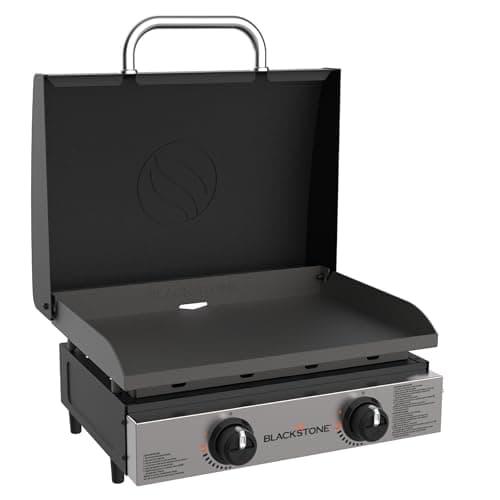
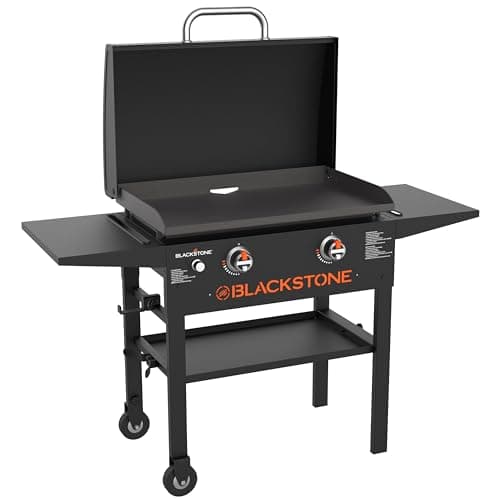
Four more forks cover the decisions people arrive here having half-made. If the fuel is still open, pellet grill vs gas grill puts two of each side by side; if they have decided on smoke, offset smoker vs pellet grill is the difference between a hobby and an appliance. For a griddle the question is size rather than brand — Blackstone 22 vs 28 works through what the extra plate buys. And for the kettle this site is built around, Weber kettle vs Master-Touch sets out exactly what each step up in price adds, and who will actually use it.
The single-product reviews
The six long reviews cover the products people research hardest before spending: the Weber kettle and the Blackstone griddle at the big-ticket end, the MEATER Plusin the middle, and the everyday three — a starter tool set, a pair of heat gloves, and the chimney starter this site is named after.
The newest of them covers the product we recommend more often than anything else on the site, and the only one whose brand name changed underneath it: the TempPro TP19H — the thermometer most people still search for as the ThermoPro TP19H. It goes through the published accuracy, the IP65 rating, the three-year warranty nobody registers, two places where the maker’s spec page and its own listing disagree, and the three kinds of cook who should buy something else instead.
They deliberately span the price range rather than clustering at the expensive end. The most useful thing we can tell most buyers is that the cheap pick is the right one — a fifteen-dollar thermometer improves a beginner’s food more than a two-hundred-dollar anything, and saying so is the point of publishing reviews at all.
How prices work on these pages
Every price you see is fetched live and stamped with the date it was read. We never store a price in the page text, because a stored price is a price that goes stale and misleads you. If a live price is unavailable, the button says “check price” instead of guessing.
When you are ready to shop the wider category rather than one product, the gear guides compare every option we recommend, the budget guides sort the same products by what you want to spend, and the how-to guides explain the cooking these tools are for.
New in October 2026: two comparisons that answer the question people actually type. Weber Spirit vs Genesis puts the two Weber gas lines side by side on Weber’s own published grate areas, outputs and warranties, and says plainly which household needs the bigger one. Lump charcoal vs briquettes does the same for fuel, with five bags matched to five kinds of cook — and prints the places where the makers publish nothing, or contradict themselves.
The newest single-product review covers the grill we point at more often than any other: the Weber Spirit E-325. It works through Weber’s published output, grate area, footprint and ten-year warranty, why the third burner rather than the extra BTU is what you are paying for, the trap of buying the two-burner E-210 to save space when it uses the same 48-inch cabinet, and the six kinds of buyer who should walk away.
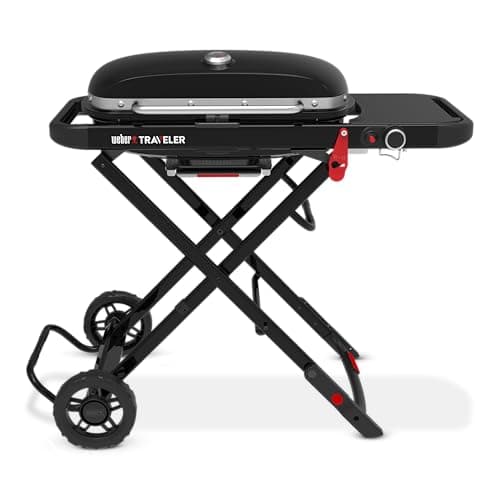
Added 17 October: four more head-to-heads, all of them decisions people reach before they reach a model. Electric smoker vs pellet grill weighs a cheap insulated cabinet capped at 275°F against a machine that smokes, roasts and grills. Charcoal vs pellet grill is the fire against the thermostat, with Kingsford’s own fuel figures. Masterbuilt vs Pit Boss compares the two brands that own the electric-cabinet category on chip loaders, probes and warranty length — including the places Pit Boss’s own documents disagree. And Weber Traveler vs Coleman RoadTrip 285 sets cast-iron grates and one burner against three independently controlled ones.
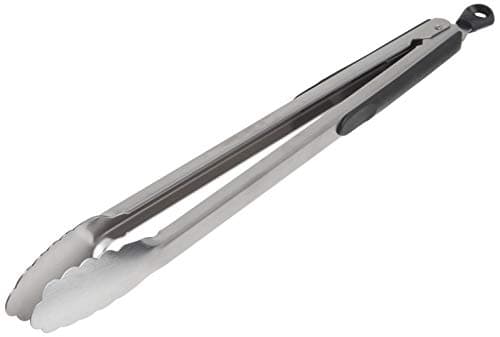
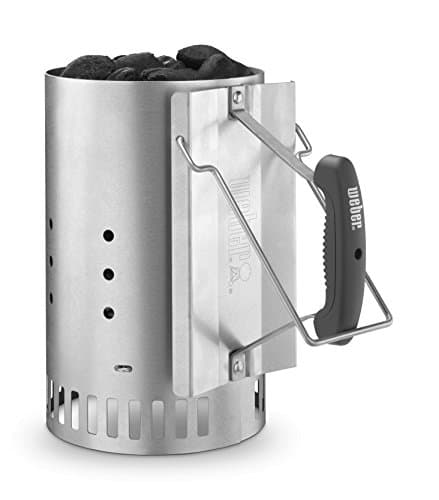
Three smaller reviews are worth knowing about if you are shopping the everyday end: the GRILLART bristle-free brush, the OXO locking tongs most kitchens end up owning, and Weber vs Kingsford chimney starter, which is the cheapest decision on this hub and the one that changes how somebody’s food tastes.
Added 22 October: chimney starter vs lighter fluid, the decision this site is named after and the first one any charcoal griller makes. It sets a steel tube you buy once against a bottle you rebuy forever, using Kingsford’s own instructions — including the two places Kingsford’s figures for how much fluid to use disagree with each other, and the one rule it prints in plain language: never add fluid to hot coals.
Everything in Reviews
MEATER Plus Review
The wireless probe that delights one kind of griller and gets left in the drawer by another.
Our top pick
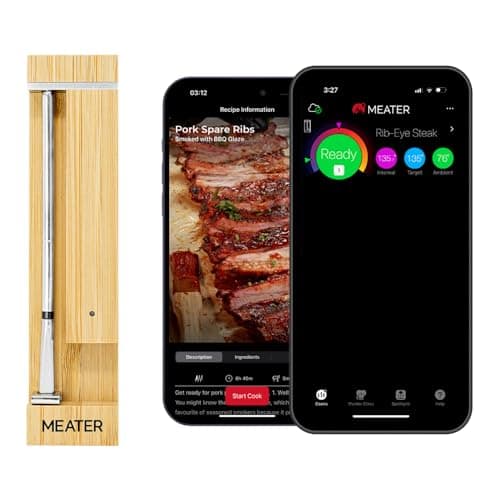
MEATER Plus Wireless Smart Meat Thermometer
Weber Original Kettle Premium Review
The grill half the backyards in America already own — and whether it's the right gift.
Our top pick
Weber Original Kettle Premium 22-Inch Charcoal Grill
$219.00 · View on AmazonPrice as of October 24, 2026. #ad How we’re funded
Blackstone 22-Inch Griddle Review
Smash burgers and breakfast for eight, plus the seasoning routine nobody mentions.
Our top pick
Blackstone 22-Inch Tabletop Griddle with Hood
$219.99 · View on AmazonPrice as of October 24, 2026. #ad How we’re funded
Alpha Grillers Tool Set Review
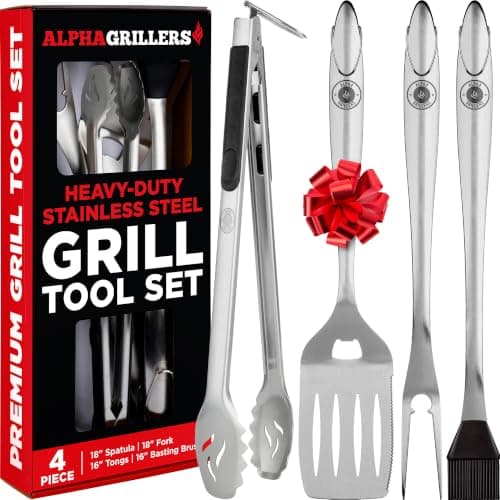
Why four heavy tools beat twenty-six thin ones, and where this set falls short.
Our top pick
Alpha Grillers 4-Piece Stainless Grill Tool Set
RAPICCA Grill Gloves Review
What 932°F and 14 inches mean in use — and the sizing catch worth knowing first.
Our top pick
RAPICCA 14-Inch 932°F Heat-Resistant BBQ Gloves
Kingsford Chimney Starter Review
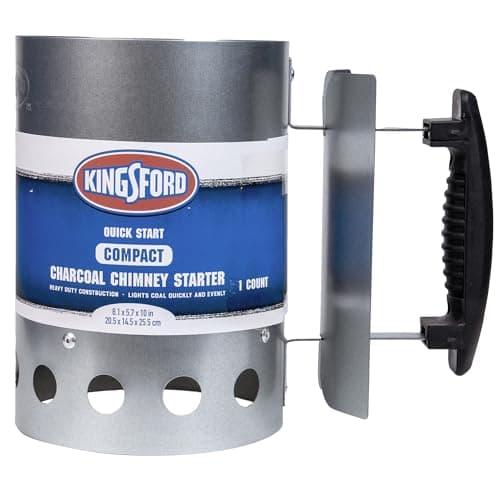
The cheapest thing here that changes how their food tastes, and the one person to skip it for.
Our top pick
Kingsford Compact Charcoal Chimney Starter
$15.99 · View on AmazonPrice as of October 24, 2026. #ad How we’re funded
Instant-Read vs Wireless Thermometer
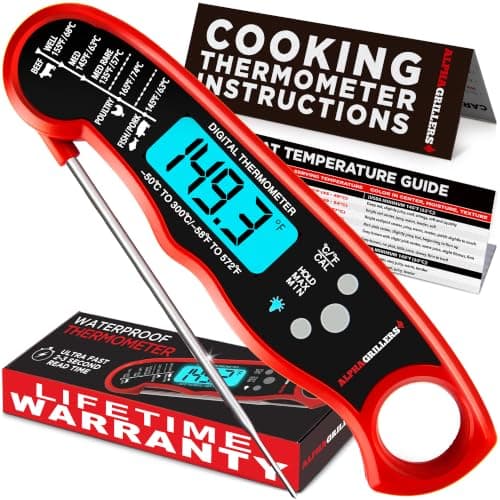
A pocket probe against a smart one at five times the price. Only one suits a beginner.
Our top pick
Alpha Grillers Digital Instant-Read Meat Thermometer
Charcoal Grill vs Flat-Top Griddle
Two ways to spend the same big budget, and how to tell which one they want.
Our top pick
Weber Original Kettle Premium 22-Inch Charcoal Grill
$219.00 · View on AmazonPrice as of October 24, 2026. #ad How we’re funded
4-Piece Set vs 26-Piece Case
Better tools or a bigger box? The honest answer depends on who opens it.
Our top pick
Alpha Grillers 4-Piece Stainless Grill Tool Set
Neoprene vs Silicone Grilling Gloves
One grips hot metal better; the other you can rinse under a tap.
Our top pick
RAPICCA 14-Inch 932°F Heat-Resistant BBQ Gloves
Pellet Tube vs Smoker Box
Two cheap ways to get real smoke out of a grill they already own.
Our top pick
LIZZQ 12-Inch Pellet Smoker Tube (2-Pack)
$19.99 · View on AmazonPrice as of October 24, 2026. #ad How we’re funded
Weber Q1200 Review
Weber still makes it; Amazon barely stocks it. The portable Weber we'd give instead.
Our top pick
Weber Traveler Portable Gas Grill
$449.00 · View on AmazonPrice as of October 24, 2026. #ad How we’re funded
OXO Locking Tongs Review
The tool a griller touches most, and the one most likely to be quietly bad.
Our top pick
OXO Good Grips 16-Inch Locking Tongs
$21.00 · View on AmazonPrice as of October 24, 2026. #ad How we’re funded
GRILLART Grill Brush Review
Woven stainless with no loose wires to shed, at the price of the brush it replaces.
Our top pick
GRILLART Bristle-Free 18-Inch Grill Brush
$22.99 · View on AmazonPrice as of October 24, 2026. #ad How we’re funded
LIZZQ Pellet Smoker Tube Review
Twenty dollars turns any grill into a smoker. Two things nobody mentions first.
Our top pick
LIZZQ 12-Inch Pellet Smoker Tube (2-Pack)
$19.99 · View on AmazonPrice as of October 24, 2026. #ad How we’re funded
Himalayan Salt Block Review
A slab of pink salt you sear on. Not quite a gimmick, but it comes with a rule.
Our top pick
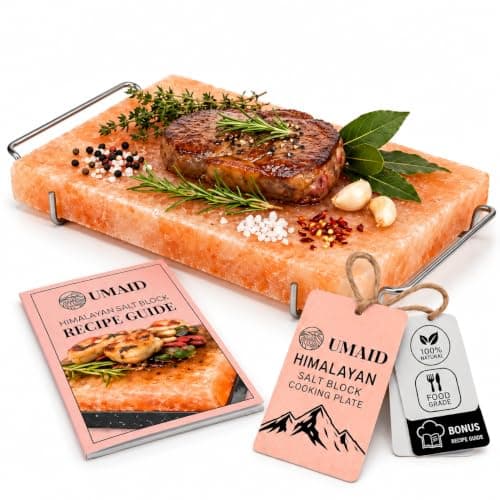
UMAID Himalayan Salt Cooking Block with Tray
$69.99 · View on AmazonPrice as of October 24, 2026. #ad How we’re funded
Charcoal Kettle vs Portable Gas Grill
Same money, opposite temperaments. The deciding question isn't flavor.
Our top pick
Weber Original Kettle Premium 22-Inch Charcoal Grill
$219.00 · View on AmazonPrice as of October 24, 2026. #ad How we’re funded
Weber vs Kingsford Chimney Starter
Two steel cylinders, very different money. What the extra actually buys.
Our top pick
Weber Rapidfire Chimney Starter (Standard)
$24.99 · View on AmazonPrice as of October 24, 2026. #ad How we’re funded
Grill Basket vs Grill Mat
One keeps the grilling; the other quietly turns the grill into a griddle.
Our top pick
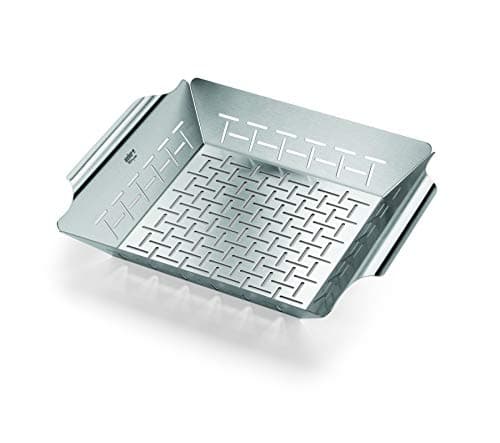
Weber Deluxe Stainless Grilling Basket
$29.99 · View on AmazonPrice as of October 24, 2026. #ad How we’re funded
Wireless Probe vs Multi-Probe Thermometer
One completely wireless probe, or four on cables, for roughly the same money.
Our top pick
MEATER Plus Wireless Smart Meat Thermometer
Traeger vs Pit Boss
One brand sears and gives more grill for the money; the other gives longer warranties and easier long cooks.
Our top pick
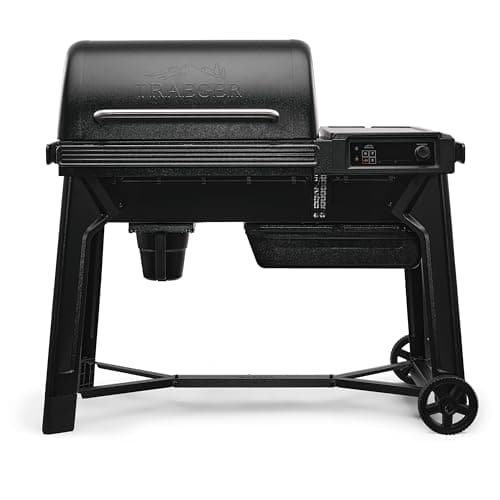
Traeger Woodridge Wood Pellet Grill & Smoker (860 Sq In, WiFi)
$899.99 · View on AmazonPrice as of October 24, 2026. #ad How we’re funded
Kamado vs Kettle Grill
Thin steel against thick insulation. Which charcoal grill fits which cook, and what the kamado costs you.
Our top pick
Weber Original Kettle Premium 22-Inch Charcoal Grill
$219.00 · View on AmazonPrice as of October 24, 2026. #ad How we’re funded
MEATER Plus vs MEATER Pro
Only one of them is meant for open flame. Plus, Pro and Pro Duo compared on MEATER's own specs.
Our top pick
MEATER Pro Smart Meat Thermometer
$99.99 · View on AmazonPrice as of October 24, 2026. #ad How we’re funded
Pellet Grill vs Gas Grill
One burns wood and tastes like it; the other lights in a minute and needs no outlet. Four grills side by side.
Our top pick
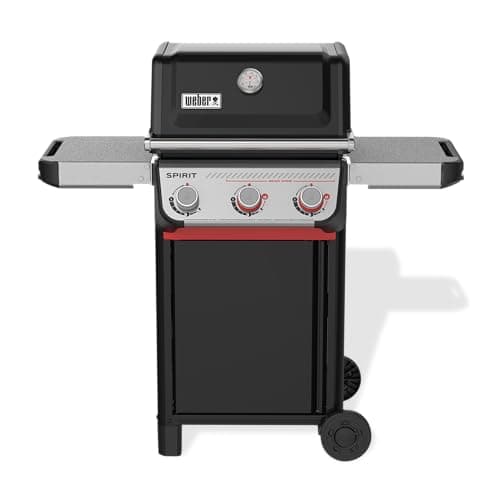
Weber Spirit E-325 3-Burner Propane Gas Grill
$549.00 · View on AmazonPrice as of October 24, 2026. #ad How we’re funded
Offset Smoker vs Pellet Grill
A wood fire you tend for hours against a controller that holds 225°F while you sleep. One is a hobby, one is an appliance.
Our top pick
Traeger Woodridge Wood Pellet Grill & Smoker (860 Sq In, WiFi)
$899.99 · View on AmazonPrice as of October 24, 2026. #ad How we’re funded
Blackstone 22 vs 28
The two griddle sizes most people choose between, on Blackstone's published figures - plus the 17 and the 36.
Our top pick
Blackstone 1883 Original 28-Inch Omnivore Griddle with Hood
$399.00 · View on AmazonPrice as of October 24, 2026. #ad How we’re funded
Weber Kettle vs Master-Touch
Three 22-inch kettles, the same bowl, three prices. Exactly what each step up adds, and who will use it.
Our top pick
Weber Original Kettle Premium 22-Inch Charcoal Grill
$219.00 · View on AmazonPrice as of October 24, 2026. #ad How we’re funded
TempPro TP19H Review
The fifteen-dollar instant-read we recommend more than anything else, and the ThermoPro rename behind it.
Our top pick
TempPro TempSwift PLUS TP19H Instant-Read Thermometer
Weber Spirit vs Genesis
Same brand, same decade-long parts supply, two very different footprints. What the Genesis adds, on Weber's published figures.
Our top pick
Weber Spirit E-325 3-Burner Propane Gas Grill
$549.00 · View on AmazonPrice as of October 24, 2026. #ad How we’re funded
Lump Charcoal vs Briquettes
Briquettes for a steady, predictable fire; lump when you want the grate screaming hot. Five bags on what the makers publish.
Our top pick
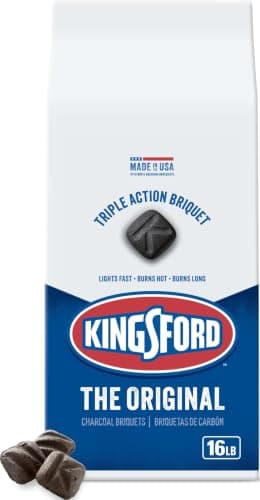
Kingsford Original Charcoal Briquettes, 16 lb
$10.92 · View on AmazonPrice as of October 24, 2026. #ad How we’re funded
Weber Spirit E-325 Review
The gas grill we point at more than any other, on Weber’s own figures - and the four people who should buy something else.
Our top pick
Weber Spirit E-325 3-Burner Propane Gas Grill
$549.00 · View on AmazonPrice as of October 24, 2026. #ad How we’re funded
Electric Smoker vs Pellet Grill
An insulated cabinet capped at 275°F against a wood-fired oven that reaches 500°F. Four machines on published specs.
Our top pick
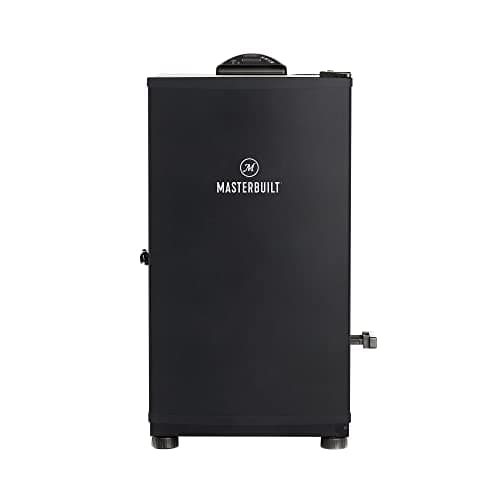
Masterbuilt 30-Inch Digital Electric Smoker (MB20071117)
$237.44 · View on AmazonPrice as of October 24, 2026. #ad How we’re funded
Charcoal vs Pellet Grill
Charcoal is hotter, cheaper and needs you there. A pellet grill is a thermostat with a wood fire in it.
Our top pick
Weber Original Kettle Premium 22-Inch Charcoal Grill
$219.00 · View on AmazonPrice as of October 24, 2026. #ad How we’re funded
Masterbuilt vs Pit Boss Electric Smoker
The better-sorted small cabinet against nearly double the space and three times the warranty.
Our top pick
Masterbuilt 30-Inch Digital Electric Smoker (MB20071117)
$237.44 · View on AmazonPrice as of October 24, 2026. #ad How we’re funded
Weber Traveler vs Coleman RoadTrip 285
Cast-iron grates and one burner against three independently controlled ones. Which portable fits a tailgate.
Our top pick
Weber Traveler Portable Gas Grill
$449.00 · View on AmazonPrice as of October 24, 2026. #ad How we’re funded
Chimney Starter vs Lighter Fluid
A steel tube you buy once against a bottle you rebuy forever and have to let burn off. Four ways to light charcoal compared.
Our top pick
Weber Rapidfire Chimney Starter (Standard)
$24.99 · View on AmazonPrice as of October 24, 2026. #ad How we’re funded