Why a thermometer is first, and it isn't close
Every other gift on this page makes a steak marginally better. A thermometer is the only one that stops a steak from being ruined, and the gap between those two things is enormous when the steak cost thirty dollars.
The reason is that doneness is a narrow window measured in degrees, and the traditional tests are unreliable. Color is not a safe guide — the USDA is explicit that color is not a reliable doneness test. The finger-press test works, but only after cooking several hundred steaks. A probe works on the first one.
Pull temperatures matter more than final ones, because a steak keeps cooking after it comes off. Our temperature chart lists the targets, and the how to grill a steak guide covers the method around them.
The second problem is heat, not skill
The complaint people have about home steak is that it never gets the crust a restaurant gets. That is almost never technique — it is temperature. A proper crust needs a very hot surface, and most home cooks are searing at a few hundred degrees below what they think.
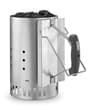
On charcoal, a chimney starter is the answer and it costs almost nothing. A full chimney dumped into a heap under one half of the grate produces heat a gas grill genuinely cannot match, and it does it in fifteen minutes with no lighter fluid taste. This is the single cheapest upgrade to a steak on this whole site — the full category is in our chimney starter roundup. If the grill itself is the gift, best grills for searing steak ranks the cookers on heat.
| What goes wrong | Why | The gift |
|---|
| Overcooked in the middle | Doneness guessed by color or feel | Instant-read thermometer |
| Gray, no crust | Sear surface nowhere near hot enough | Chimney starter, or cast iron |
| Burnt outside, raw inside | One heat zone, thick cut | Nothing — it's a technique fix |
| Dry and tough | Sliced immediately, or wrong cut | A book, or a better cut |
| Tastes flat | Under-seasoned, seasoned too late | A coarse rub |
Gear that looks impressive but changes little
Worth being honest about, because these are the things most often bought as steak gifts.
Steak knives are a table gift rather than a cooking gift. Nice to own, no effect on the steak. Branding irons that burn initials into the meat are pure novelty. Marinade injectors are for large lean roasts, not for a good steak — a ribeye needs salt, not injection. And marinades in general are a way of improving cheap cuts, which is a legitimate goal, but a steak lover buying ribeye does not want it hidden.
None of these are bad gifts. They are just not steak gifts, and it is worth knowing the difference before spending the money.
Salt is the actual seasoning answer
The best-kept secret in steak is that the seasoning is coarse salt, applied earlier than most people apply it, and that is roughly the whole thing. Fine salt dissolves and runs off; coarse salt sits, draws moisture to the surface, dissolves into it and gets reabsorbed seasoned.
That makes a rub a slightly complicated gift for a steak person specifically — a purist genuinely does want salt and pepper on a good ribeye. Where a rub earns its place is on everything else they cook, and on cheaper cuts. Pick a coarse, salt-forward, low-sugar rub rather than a sweet one; sugar burns at searing temperatures. Our rubs and sauces roundup sorts them that way.
The salt block is the exception to the novelty rule
A Himalayan salt block looks like exactly the kind of gimmick this page just warned about, and it earns its spot for a specific reason: it does something a grate physically cannot. It is a solid mass of salt heated slowly on the grill, and searing on it gives an even crust across the whole surface of the meat rather than bars of char with pale gaps.
It also seasons lightly as it cooks, and it doubles as a chilled serving plank. The catch is real — it must be heated gradually or it can crack, which makes it a gift for somebody who enjoys a bit of ceremony rather than somebody who wants dinner quickly. For the right person it is the most memorable thing on this list.
The cut matters more than any of this
No gift compensates for the wrong cut. Ribeye is forgiving because the fat protects it. Strip is leaner and less tolerant of overshooting. Sirloin is cheaper and wants to be served rarer. Flank and skirt are thin, fast, and must be sliced against the grain or they are chewy regardless of how well they were cooked.
If you want to give something that changes the steak more than any tool, give a good cut of meat along with the tool. Our steak cuts guide covers what each one does over fire, and it is the thing worth reading before spending money at a butcher. For thick cuts, how to reverse sear a steak is the method that makes the most of them, and tri-tip is the cheap roast that eats like steak.