How to Reverse Sear a Steak on the Grill
The method for thick steaks: cook it gently first, sear it last. It is the single biggest upgrade available to anybody grilling a steak over an inch thick, and it needs no new equipment except a thermometer.
Quick answer
Set the grill up with a hot side and an empty side. Cook the steak on the empty side with the lid down until a thermometer reads about 10°F below your target — Weber’s instruction is to cook it “to about 10 degrees of its target temperature”. Then move it over the hot side and sear both faces until crusted. Rest it about 10 minutes before cutting. Weber uses this for steaks thicker than an inch; thinner steaks can go straight over direct high heat.
A reverse sear is the normal order of steak cooking turned around. Instead of searing first and finishing gently, you bring the inside up to temperature slowly and then brown the outside at the very end. For a thick steak it is simply a better method, and it is the technique that most reliably turns a two-inch ribeye from an expensive disappointment into the best steak somebody has cooked at home.
The reason it works is thickness. Weber puts it plainly: most steaks up to an inch thick can be cooked over direct high heat, but thicker steaks need finessing. Sear a two-inch steak from raw over a hot fire and you are asking one heat source to do two contradictory jobs — brown a surface in minutes while warming a center that needs much longer. The outside overcooks into a gray band before the middle catches up.
Which steaks this is for
Use the reverse sear on anything over an inch thick: a thick-cut ribeye or New York strip, a tomahawk, a filet, a thick sirloin, a tri-tip. Below an inch, skip it — a thin steak will be cooked through before the gentle stage has achieved anything, and you lose the crust you were trying to protect. Our guide to steak cuts covers which cuts come thick in the first place, and how to grill a steak is the simpler method for everything thinner.
The temperatures
There are two numbers in play and they do different jobs. The first is the doneness temperature you want to end at. The second is the pull temperature — lower, because a steak keeps cooking after it leaves the grill, and because you still have the sear to come.
| Doneness you want | Finished internal temperature | Come off the cool side at roughly |
|---|---|---|
| Rare | About 120–125°F | About 110–115°F |
| Medium rare | About 130–135°F | About 120–125°F |
| Medium | About 140–145°F | About 130–135°F |
| Medium well | About 150–155°F | About 140–145°F |
The pull column is Weber’s rule of about 10°F below target, applied to each doneness. The finished column is a doneness preference rather than a safety rule: the USDA’s safe minimum internal temperature for whole cuts of beef is 145°F, followed by a three-minute rest, and anything under that is a choice the cook is making. The USDA is also clear that color is not a reliable test of doneness — which is why this method depends on a thermometer rather than on cutting into the steak to look.
Two zones, and why the lid matters
Everything here needs a grill set up with heat on one side and nothing on the other. On charcoal, bank the coals to one half of the bowl. On gas, light one or two burners and leave the rest off. Weber’s reverse-sear instruction for a kettle is to start the steak over the side without charcoal.
Keep the lid closed during the gentle stage. An open grill with the heat off to one side is not an oven, it is a draft — the steak loses heat from above as fast as it gains it from below, and the stage takes forever. With the lid down, the dome holds warm air around the whole steak. Our direct vs indirect heat guide goes further into the arrangement, which is the single most useful thing to understand about a grill.
What to look for in the gear
This method is almost entirely free. It needs no accessory a grill does not already have, with one exception and one optional extra.
The exception is a thermometer, and it is not optional. The entire method is built on a pull temperature, and without a probe you are guessing at the one number that decides the outcome. Look for an instant-read that reads in a few seconds, and get a thin probe tip — a fat probe leaves a visible hole and lets juice out. A leave-in probe is the step up: it reads continuously, so you watch the climb toward the pull temperature instead of opening the lid repeatedly.
The optional extra is mass for the sear. If the grill cannot get properly hot — a pellet grill topping out at 500°F, a tired gas grill — cast iron on the grate stores far more heat than the bars do and will brown a steak when the grill alone will not. And a long pair of tongs is the difference between turning a steak over a 600°F fire and flinching at it.
What this method actually needs
Four picks from our shortlists, matched to the criteria above: a thermometer first, then the optional help for the sear. Prices are fetched live.
How this is funded: we earn a commission if you buy through our links, at no extra cost to you. It never changes which gift we recommend, and we’ll tell you when we’d skip one. Full disclosure.
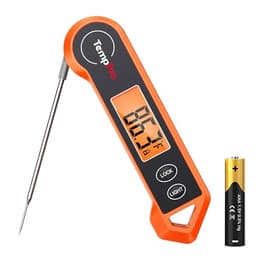
TempPro TempSwift PLUS TP19H Instant-Read Thermometer
A waterproof instant-read that reads in about three seconds — the one piece of kit this method genuinely requires, for about fifteen dollars.
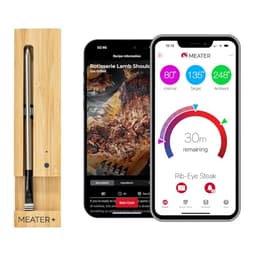
MEATER Plus Wireless Smart Meat Thermometer
A fully wireless leave-in probe that tracks internal and ambient temperature and alerts a phone, so you watch the climb to the pull temperature without lifting the lid.
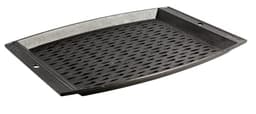
Lodge Pre-Seasoned Cast Iron Rectangle Grill Topper, 15-Inch
Pre-seasoned cast iron on the grate. It holds far more heat than bars do, which is how you get a hard sear on a grill that cannot manage one by itself.
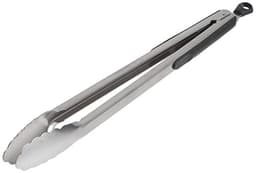
OXO Good Grips 16-Inch Locking Tongs
Sixteen inches of stainless with a pull-ring lock, so turning a thick steak over a very hot fire keeps your knuckles clear of it.
$20.95 · View on AmazonPrice as of October 5, 2026. #ad How we’re funded
How to reverse sear a steak, step by step
- Salt and let it sit. Season generously with coarse salt. If there is time, do it 40 minutes ahead or more; if not, do it now.
- Set up two zones. Bank the charcoal to one side, or light only some of the burners. Weber starts the steak over the side without charcoal.
- Cook gently, lid down. Put the steak on the cool side and close the lid. Check with a thermometer in the thickest part, not near the edge or a bone.
- Pull it about 10°F early. Weber’s rule is to cook it to about 10 degrees of the target temperature before searing — so roughly 120–125°F for a 130–135°F medium rare.
- Sear over the fire. Move it directly over the hot coals or burners and sear each face until the crust is deep brown. This is fast — stay with it.
- Rest. Weber rests the steak about 10 minutes once it reaches its final temperature. Then cut against the grain.
The mistakes that spoil it
Starting with a wet surface. A damp steak steams before it browns. Pat it dry before the sear, and expect a better crust if the gentle stage dried the surface out a little.
Searing too long. The inside is already where you want it. Every extra thirty seconds over the fire is thirty seconds of overcooking from the outside in.
Guessing the pull temperature. The whole method is a number. If you cannot measure it, cook the steak the ordinary way instead — our guide to using a meat thermometer covers where the probe goes in each cut.
Trying it on a thin steak. Under an inch, go straight over direct high heat. The reverse sear has nothing to offer a half-inch steak.
Frequently asked questions
What temperature do you pull a steak at for a reverse sear?
Weber's rule is to cook the steak to about 10 degrees of its target temperature before searing. For a 130–135°F medium rare, that means coming off the cool side at roughly 120–125°F. The sear and the rest carry it the rest of the way.
How thick does a steak need to be to reverse sear?
Over an inch. Weber says most steaks up to an inch thick can be cooked over direct high heat, and that thicker steaks need finessing. On a thin steak the reverse sear achieves nothing, because it is cooked through before the gentle stage has done any work.
Is reverse searing better than searing first?
For thick steaks, yes. Searing first means asking one fire to brown a surface and warm a thick center at the same time, which produces a gray overcooked band under the crust. Cooking gently first and searing last keeps the inside even edge to edge.
How long do you sear at the end?
Only as long as it takes to brown — this is a crust-building step, not a cooking step, and the inside is already at temperature. Weber's instruction is to move the steak directly over the hot coals to create the charred crust, which is fast. Watch it rather than timing it.
Do you rest a steak after a reverse sear?
Yes. Weber rests the steak about 10 minutes after it reaches its final temperature. The rest lets the juices redistribute, and the internal temperature keeps climbing a few degrees while it sits.
Can you reverse sear on a gas grill?
Yes, and it is arguably easier. Light one or two burners and leave the rest off, cook the steak over the unlit side with the lid down, then turn the lit burners to high and sear. The method is identical; only the fuel changes.
Sources
- Weber — Reverse Sear Steak On The Grill — Steaks thicker than an inch go on the side without charcoal first, come off about 10°F below the target temperature, then sear over the coals; rest about 10 minutes (accessed October 5, 2026)
- USDA FSIS — Safe Minimum Internal Temperature Chart — The USDA's official safe minimum internal cooking temperatures for beef, poultry, pork and more (accessed July 21, 2026)
- USDA FSIS — Doneness Versus Safety — USDA on why color is not a reliable doneness test and a thermometer is (accessed July 21, 2026)
Keep reading
How to Grill a Steak
The simpler method, for everything under an inch thick.
Read the guideBest Grills for Searing Steak
If the sear is the weak link, the grills that fix it.
See the grillsBest Steak Cuts for Grilling
Which cuts come thick enough for this method.
Read the guideDirect vs Indirect Heat
The two-zone arrangement every step here depends on.
Read the guideHow to Use a Meat Thermometer
Where the probe goes, and the ice-water accuracy test.
Read the guideGifts for Steak Lovers
Ranked by how much each one improves the steak.
See the gifts