Why it works on a gas grill
Gas grills are famously bad at smoke, and the reason is airflow. A gas grill vents heavily by design, so smoke from wood chips in a foil packet is thin and short-lived. It also runs the burners hot, which burns chips through in minutes.
A tube sidesteps both problems. It carries its own fuel load — enough pellets for a long burn — and it smolders independently of the burners rather than depending on them for heat. The result is a steady stream of smoke for hours, on a grill that otherwise produces almost none. For a gas owner curious about barbecue, it is the single most useful twenty dollars they can spend.
What it does not do
This is the part that matters most for gift buying, and it is where expectations usually go wrong. A pellet tube adds smoke. It does not turn a grill into a smoker, because the other half of barbecue is holding a low, stable temperature — 225 to 275°F — for many hours.
A gas grill on its lowest setting often will not go that low. A kettle can, but only with a deliberate two-zone fire and vent management. So the honest description is that this gives someone smoke flavor on the food they already cook, and gives them a genuine taste of barbecue on a shorter cook — not a brisket. Our BBQ versus grilling guide explains why the temperature half matters as much as the smoke half.
The two things nobody mentions
Lighting it properly takes practice. The pellets need to catch a real flame for several minutes and establish an ember before you blow it out. Rushed, it goes out five minutes later inside a closed grill, and the cook does not notice until the food comes off tasting of nothing. A blowtorch or a long butane lighter makes this far easier than a match, and that is worth including with the gift.
More smoke is not better. This is the beginner mistake in smoking generally. Thin blue smoke is what you want; thick white smoke deposits a bitter, acrid flavor, and food can be genuinely ruined by too much of it. A full tube on a small cook is too much. The tube should be lit and, if the cook is short, only half filled.
Where it falls short
It takes up grate space. On a small or portable grill, a tube occupies room you needed for food, which is a real constraint on a kettle at capacity.
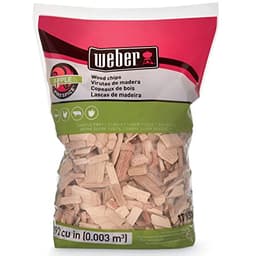
Pellets are a consumable. A bag lasts a long time, but it is a purchase they need to make and it is not usually included. A bag of pellets alongside the tube makes this a complete gift rather than a partial one.
It is not a gift for an apartment. Smoke drifts into neighbors’ open windows, and a smoldering tube on a shared balcony is inconsiderate even where it is technically permitted. See gifts for apartment grillers for what to give instead.
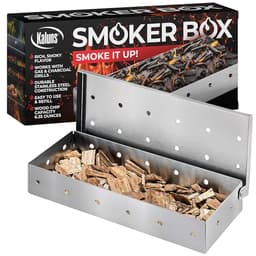
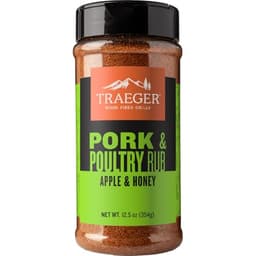
It is small and unimpressive to unwrap. A steel tube in a box does not look like much. Pair it with pellets and a rub and it reads as a whole hobby.
Who this is the right gift for
The gas grill owner who has started talking about brisket. This is the cheapest possible way to find out whether they actually enjoy the process, and if they do, they will buy a smoker themselves — and will know which one they want, which is a decision nobody else can make well for them.
It is also good for a pellet grill owner who complains their grill does not produce enough smoke, which is a genuinely common complaint at higher temperatures. And it is the right gift for anybody where the alternative was spending several hundred dollars on a smoker for somebody who has never smoked anything.
Who should get something else
Somebody who already smokes seriously. They own this, or they own a smoker that makes it redundant. Give them a better thermometer or a pitmaster rub set instead.
And anybody grilling on a balcony or in a dense terrace, for the neighbor reasons above. A rub gives them new flavor without giving their neighbors anything.
What to fill it with. The tube takes ordinary hardwood BBQ pellets, the same ones a pellet grill burns, and a tube goes through a tiny fraction of what a hopper does. Best wood pellets compares seven bags — including a six-flavor sampler that is sized almost exactly for tube cooking rather than for filling a grill.