Char Chimney

Neoprene vs Silicone Grilling Gloves: RAPICCA vs GEEKHOM

Two very different materials doing the same job. One grips hot metal better; the other you can rinse under a tap. Here's how to pick for the person you're buying for.

By Stephen V.Last updated How we pick

Heat gloves are one of the best-value grilling gifts there is, for the simple reason that nearly everyone needs a pair and nearly nobody buys one. The only real decision is material, and the two that dominate the shelf are neoprene and silicone.

They are not interchangeable. Neoprene is flexible, textured and lined; silicone is waterproof, wipeable and thicker. Which one is right depends almost entirely on what the recipient cooks on and how messy the job is.

Both pairs below are on our grilling glove shortlist, and both show a live price. We own neither pair — this is how we assess them.

How this is funded:we earn a commission if you buy through our links, at no extra cost to you. It never changes which gift we recommend, and we’ll tell you when we’d skip one. Full disclosure.

Quick picks

Our shortlist, with the price on every pick. Select a row to jump to the full write-up. We haven’t tested these ourselves — here’s exactly what we do instead.

#ProductBest forPrice
1
RAPICCA 14-Inch 932°F Heat-Resistant BBQ Gloves

RAPICCA 14-Inch 932°F Heat-Resistant BBQ Gloves

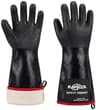
Fourteen-inch neoprene gloves rated to 932°F that run up the forearm — the ones people buy after burning themselves reaching into a kettle. A quietly perfect gift because almost nobody owns a good pair.

Best for charcoal and hot metal
$23.99 · View on Amazon

$35.9933% off

Price as of September 8, 2026. #ad How we’re funded

2

GEEKHOM Silicone Waterproof Grilling Gloves

Silicone-coated, waterproof and non-slip for around twenty dollars — easier to clean than fabric gloves and the pick for someone who spills as much sauce as they grill.

Best for wet and greasy work

The picks in full

#1Best for charcoal and hot metal

RAPICCA 14-Inch 932°F Heat-Resistant BBQ Gloves

Fourteen-inch neoprene gloves rated to 932°F that run up the forearm — the ones people buy after burning themselves reaching into a kettle. A quietly perfect gift because almost nobody owns a good pair.

Why it’s a good gift

  • Rated to 932°F with 14in forearm coverage
  • Waterproof neoprene wipes clean
  • Textured grip holds a hot grate

Worth knowing

  • Bulky for fine tasks
  • They run large

Best for: Anyone who moves charcoal or lifts a hot grate by hand

Details read from the Amazon listing, last checked July 21, 2026. Prices change; the number above is fetched live.

#2Best for wet and greasy work

GEEKHOM Silicone Waterproof Grilling Gloves

Silicone-coated, waterproof and non-slip for around twenty dollars — easier to clean than fabric gloves and the pick for someone who spills as much sauce as they grill.

Why it’s a good gift

  • Waterproof silicone wipes clean
  • Non-slip textured grip
  • Under $20

Worth knowing

  • Less breathable than fabric
  • Not for deep-reach charcoal work

Best for: The messy cook who hates washing fabric mitts

Details read from the Amazon listing, last checked July 21, 2026. Prices change; the number above is fetched live.

The head-to-head

 RAPICCA (neoprene)GEEKHOM (silicone)
Stated heat resistance932°FHeat-resistant silicone, XL
Length14 inches, forearm coverageExtended cuff, shorter than 14in
Grip on dry hot metalTextured and secureGood, can feel slick when new
WaterproofOuter shell yes; cotton lined insideFully waterproof
CleaningWipe cleanRinse or wash directly
DexterityModerate — bulky for fine workModerate — thicker material
Best jobChimney pours, grate lifts, coal workHandling wet food, boiling pots, cleanup

Where neoprene wins

Charcoal. The signature moves of charcoal grilling — lifting a lit chimney starter, moving a hot grate to add coals, nudging a burning log — all involve gripping dry hot metal, and a textured neoprene surface with a cotton lining does that confidently.

The 14-inch length also matters more than the material. Burns happen on the forearm as it passes over the fire, not on the palm, and a long cuff is the single feature that separates a real BBQ glove from a kitchen mitt. There is more detail in our RAPICCA review.

Where silicone wins

Anything wet. Silicone is properly waterproof rather than water-resistant, so it shrugs off brine, marinade, sauce and grease, and you can rinse it under a tap instead of trying to wipe grease out of a fabric-lined glove.

That makes silicone the better choice for someone whose cooking is as much kitchen as backyard — pulling a pot off a burner, draining, handling wet meat, dealing with a messy cleanup. If the gloves will spend half their life indoors, silicone is the more versatile buy.

The dexterity myth

Neither of these is a precision instrument. Both are thick enough that fine work — picking up a single shrimp, adjusting a small vent screw — is awkward, and anyone expecting to wear them for a whole cook will take them off within ten minutes.

That is not a flaw so much as a category description. Heat gloves are for the two or three genuinely hot jobs in a cook. Tongs handle the rest, which is why a good pair of tongs and a pair of gloves make such a natural gift pairing.

Sizing, which is where gift gloves fail

Long BBQ gloves run generous almost universally, and the RAPICCA pair is specifically noted for it. For an average or larger adult that is fine. For someone with small hands, a loose glove makes every job harder and is the most common reason a pair ends up unused.

If you are unsure and cannot check, silicone tends to be the safer gift because the fit is less critical — you are gripping with the whole hand rather than needing the fingers to line up precisely.

Neither is fireproof

Both are heat-resistant, which describes performance over a short contact time. Sustained direct flame will get through either, and no glove in this class is rated for holding something burning. The realistic expectation for both is several seconds of contact with something extremely hot, which is exactly what the job requires.

If cut resistance also matters — someone who handles a knife or lifts sharp grates often — a certified cut-resistant glove is a different product again, and we list one in the full glove roundup.
Frequently asked questions

Are silicone or neoprene BBQ gloves better?

Neoprene grips dry hot metal better and usually comes with a longer forearm cuff, which suits charcoal work. Silicone is fully waterproof and rinses clean, which suits wet, greasy or kitchen-heavy cooking. Pick by what the recipient handles most.

How long should grilling gloves be?

Long enough to cover the forearm — around 14 inches is the common length for a reason. Burns happen on the forearm as it passes over the fire, so a short mitt protects the part of you that was never really at risk.

Can you wash BBQ gloves?

Silicone gloves can generally be rinsed or washed directly. Neoprene gloves with a fabric lining are usually wipe-clean only, because soaking the lining is hard to dry out. Always check the care instructions on the pair you buy rather than assuming.

What does a 932°F rating mean on grilling gloves?

It is a manufacturer heat-resistance figure measured over a defined short contact time, not a guarantee of indefinite protection. Practically, it means a few seconds of gripping something extremely hot without pain. Hold on longer and heat comes through any glove in this class.

Are grilling gloves a good gift?

They are one of the best cheap grilling gifts, because almost every griller needs a pair and almost nobody buys one for themselves. The two things to get right are length — go long — and sizing, since long BBQ gloves tend to run large.

Keep reading