Kit 1: smoke on the grill you already own
Who it is for: somebody who owns a gas or charcoal grill, has never smoked anything, and is not sure they want to.
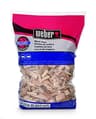
What is in it: a smoker box, a bag of hickory chips, an instant-read thermometer.
This kit exists because the first thing a new smoker needs is not equipment, it is an answer to a question: do I enjoy standing near a grill for five hours? A smoker box over a lit burner, with the food over the unlit burners, produces genuinely smoked chicken and ribs on a grill that cost nothing extra. Weber’s own method for smoking on a gas grill is exactly this — box or foil pan over a burner, food over the off burners, lid down — and on a charcoal kettle you can skip the box entirely and put a chunk of wood straight on the coals.
The thermometer is not optional and it is not an upsell. Smoking is low and slow, color tells you nothing about doneness, and the USDA is explicit that a thermometer is the only reliable test. An instant-read is the cheapest insurance in cooking, and it stays useful forever regardless of whether the smoking sticks.
What to cook first: chicken thighs or a rack of ribs. Both are forgiving, both take a few hours rather than all day, and both taste obviously different with smoke on them. Do not start with brisket. Brisket is a twelve-hour cook on a cut that costs real money and punishes every mistake.
Where to go deeper: our smoker box roundup compares six ways to make smoke on a gas grill including the pellet tube, the wood chips page covers which wood goes on which food, and how to smoke on a gas grill walks the burner setup through step by step.
Kit 2: the first real smoker
Who it is for: somebody who did Kit 1, liked it, and has started complaining that the grill will not hold a low temperature.
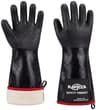
What is in it: a 30-inch digital electric cabinet, a two-probe leave-in thermometer, a pair of long heat-resistant gloves, a rub.
This is the tier most people land on and never leave, and the electric cabinet is why. A grill fights you on temperature: you are adjusting vents or burners every twenty minutes to hold 225°F against wind, rain and a dropping charcoal bed. An electric smoker has a thermostat. You set a number, it holds the number, and the cook becomes about the meat rather than about fire management. For a working person with a Saturday, that is the entire value proposition.
The two-probe thermometer is the real upgrade in this kit, more than the gloves or the rub. A long cook needs two temperatures at once — what the meat is doing and what the chamber is doing — and a leave-in probe with a remote display means you are not opening the door every half hour to check, which is the fastest way to add an hour to a cook. Our thermometers for smoking page covers why probe count matters more than probe accuracy at this stage.
The gloves are the item people skip and then buy after the first burn. Pulling a hot rack out of a cabinet, moving a full water pan, or lifting a pork shoulder is not a tea-towel job. The rub is there because the single biggest quality jump in a beginner’s barbecue is seasoning more aggressively than feels right.
The honest caveat on electric cabinets: most of them top out around 275°F, which means they cannot crisp poultry skin and they are slow on anything that wants higher heat. We cover that ceiling, and which cabinets have it, in best electric smokers. If crisp chicken skin matters more than convenience, a kettle or a pellet grill is the better buy and best smokers for beginners ranks all four fuel types by how easy each is to learn.
What to cook first: pork butt. It is the most forgiving large cut in barbecue, it is cheap, it feeds a crowd, and it is almost impossible to ruin. The pork butt guide has the wrap and the finish temperature.
Kit 3: when it stops being a project
Who it is for: somebody smoking most weekends who is tired of babysitting a cook, and who has started talking about brisket.
What is in it: a WiFi pellet grill, a truly wireless probe, a roll of butcher paper.
A pellet grill is a thermostat-controlled wood fire: an auger feeds pellets from a hopper into a fire pot at whatever rate holds the set temperature. It does what the electric cabinet does — set a number, walk away — while actually burning wood, and it goes hotter, so one machine both smokes a pork butt and sears a steak. The WiFi is not a gimmick at this tier: a twelve-hour cook that you can check from indoors at 2am is a different experience from one you cannot.
The wireless probe is the pairing that makes the whole setup work. A probe with no trailing cable can go into the meat, stay there through a wrap, and move to the rest without threading a wire out of a door. The trade-off is range and the fact that it is a single probe — we lay that out in instant-read vs wireless and the wireless thermometer roundup.
The butcher paper is in this kit and not the others because this is the tier where brisket happens. Paper is what you wrap a brisket in at the stall to push it through without steaming the bark soft the way foil does. Our butcher paper page covers the three words to check on the roll, and the brisket guide covers the wrap window and the long rest.
The honest caveat on pellet grills: they need power, they need a consistent supply of pellets (a consumable the electric cabinet does not need), they produce less smoke flavor than a stick burner or a charcoal pit, and they have more to go wrong — augers jam, controllers fail. If maximum smoke flavor is the goal rather than convenience, the money is better spent on an offset or a kamado, and electric smoker vs pellet grill sets the two approaches against each other properly.
What is deliberately not in any of these kits
A starter kit page is as useful for what it leaves out as what it includes. These are the items that appear on almost every other list and are not here.
- A rib rack. Genuinely useful, and only once you are cooking more ribs than fit flat on your grate. That is not a beginner problem.
- Meat claws. Fun, cheap, and a pair of forks does the same job. Buy them as a stocking stuffer, not as part of a setup.
- A marinade injector. A real technique tool, covered in our injector roundup, but it adds a food-safety rule to learn and it does nothing for the first few cooks. Later.
- A 30-piece tool set. The most common gift mistake in this category. Most of the pieces are for grilling, not smoking, and the ones you need you already own. Our tool set page is honest about which sets are worth it.
- Every wood flavor. One bag of hickory and one of apple will carry somebody through their first year. The variety packs are a better buy than six single bags.
Buying a kit as a gift
All three tiers work as presents, but they land very differently.
Kit 1 is the best gift on this page, because it is affordable, it is complete, and it carries no implication about how the recipient should spend their weekends. A box, a bag of chips and a thermometer in one bag is a thoughtful present that opens a door rather than committing somebody to a hobby. For more ideas in that bracket, grilling gifts under $50.
Kit 2 is a big-occasion gift or a split between several people. A smoker is a large object that needs somewhere to live, so it only works as a surprise if you know they have the space and want one. The thermometer, gloves and rub from that kit make an excellent gift on their own for somebody who already owns the cabinet.
Kit 3 is not a surprise gift. Anybody ready for a pellet grill has opinions about which one, and those opinions are worth more than your surprise. Our pellet grill roundup is the page to send them.
If you are buying for a smoker rather than building a setup, gifts for meat smokers and smoker accessories are the broader lists, and rubs and sauces is the reliable add-on to anything here.