How to Smoke a Brisket: Temperatures, Timing and the Wrap
Brisket is the cook everything else gets judged against. It is also mostly patience and two numbers — here are both, from Weber and the USDA, with the stall explained.
Quick answer
Hold the smoker at 225°F. Smoke the brisket until the internal temperature reaches 150–165°F, then wrap it in foil — that is Weber’s instruction, and it pushes the brisket through the stall. Carry on until it reads 195–204°F and a probe slides in “like a sponge”. Rest it wrapped for at least an hour, ideally two or three, then slice against the grain. The USDA puts smoking generally at 225–300°F and 4 to 8 hours, with a thermometer in both the cooker and the meat.
Brisket has a reputation for being difficult, and it is worth saying clearly where the difficulty actually lies. It is not in the fire, the rub or the wood. It is that brisket is a tough, heavily worked cut that only becomes tender when the collagen inside it breaks down, and that takes many hours at a low temperature. Nearly every failed brisket is a brisket that came off too early.
So this is a cook with two hard numbers in it, and a lot of waiting in between. Get the numbers right and the rest is seasoning.
The temperatures that matter
| Stage | Number | Source |
|---|---|---|
| Smoker temperature | 225°F throughout | Weber |
| Smoker temperature (general range) | 225–300°F | USDA FSIS |
| Wrap the brisket at | 150–165°F internal | Weber |
| Finished at | 195–204°F internal | Weber |
| Rest for | At least 1 hour, ideally 2–3 | Weber |
| Expect the cook to take | 4 to 8 hours for smoking generally | USDA FSIS |
The USDA’s range is for smoking as a method across meats, so treat it as the outer boundary rather than a brisket schedule; a large brisket at 225°F routinely runs longer than eight hours. The USDA also asks for two thermometers — one for the cooker, one for the food — which on a brisket is not belt and braces. The cooker number tells you whether the fire is behaving; the meat number is the only thing that says when to wrap and when to stop.
The stall, and why nothing is wrong
Somewhere around 150–165°F the internal temperature will stop climbing. It can sit there for hours. This is the stall, it happens on every brisket, and it is the single most common reason a first-timer panics, turns the heat up and ruins the cook.
Weber’s answer is the wrap: foil the brisket once it reaches 150–165°F, which pushes it through the stall, keeps the moisture in and helps it tenderize. Butcher paper is the alternative — it also carries the temperature up while keeping more of the exterior bark intact, at the cost of a slower climb. Foil is faster and softer on the bark; paper is slower and keeps more crust. Neither is wrong.
Done is a feel, not just a number
Weber gives 195–204°F as the finished range and adds the test that experienced cooks actually use: the probe should slide in like a sponge, with little resistance. Two briskets can be finished at different temperatures within that band, because what you are waiting for is collagen breakdown rather than a specific reading. If the probe fights you at 198°F, give it longer.
The rest is part of the cook
A brisket is not finished when it comes off the smoker. Weber rests it for at least an hour and prefers two to three. This is not a courtesy; a brisket sliced straight off the cooker loses a startling amount of juice onto the board and reads as dry. The usual method is to leave it wrapped and hold it somewhere insulated — a dry cooler is the traditional trick — so it comes down slowly.
Slicing: the easiest place to undo eight hours
Weber’s instruction is emphatic: always slice against the grain. Start at the flat and work down; you can separate the point from the flat first if you want to slice each part cleanly. The practical consequence is that you need a long knife. A brisket flat is wider than a standard chef’s knife is long, and sawing across it with an eight-inch blade is exactly why home-cooked brisket so often looks ragged next to the same meat from a barbecue counter.
What to look for in the gear
Four things earn their place on this cook, and none of them is a gadget.
A thermometer that stays in is first. You need to watch the climb to the wrap temperature and then to the finish, over many hours, without opening the cooker every twenty minutes. Multiple probes are genuinely useful here: one in the meat, one measuring the air at grate level, which is what the USDA is asking for.
A long slicing knife is second. Look for a plain edge rather than a serrated one — plain shears cleanly where serrations tear — and for a blade long enough to cross the flat in one pull, which in practice means 11 inches or more.
A board with a juice channel is third, because a rested brisket releases a lot of liquid and a flat board sends it across the counter. And for anybody also cooking pork shoulder, shredding claws do in seconds what two forks do badly.
The four things worth owning for a brisket
Picks from our thermometer and knife shortlists, matched to the criteria above. Prices are fetched live.
How this is funded: we earn a commission if you buy through our links, at no extra cost to you. It never changes which gift we recommend, and we’ll tell you when we’d skip one. Full disclosure.
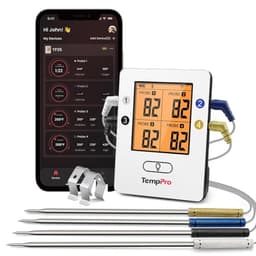
TempPro TempSync PRO TP25 4-Probe Bluetooth Thermometer
Four color-coded probes and long-range Bluetooth: one in the meat, one at grate level, which is exactly the two-thermometer setup the USDA asks for on a smoke.
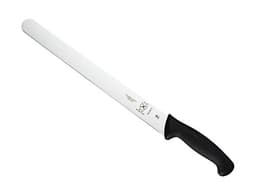
Mercer Culinary M23870 Millennia 12-Inch Plain-Edge Slicer
A 12-inch plain-edge slicer that crosses a brisket flat in one pull instead of sawing at it. The reason barbecue-counter slices look different to home ones.
$35.78 · View on AmazonPrice as of October 5, 2026. #ad How we’re funded
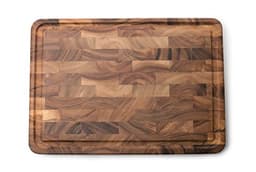
Ironwood Gourmet Charleston End Grain Board with Channel, 20 x 14 in
An end-grain carving board with a channel rated to 10 fl oz — enough to hold what runs out of a rested brisket instead of sending it across the counter.
$78.28 · View on AmazonPrice as of October 5, 2026. #ad How we’re funded
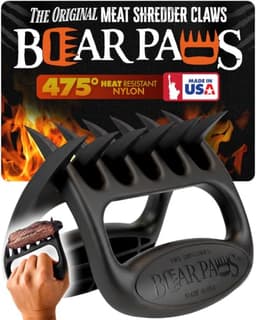
Bear Paws The Original Meat Shredder Claws
For the pork shoulder that usually follows the first brisket. Shreds in seconds and doubles as a lifting fork for getting a heavy cut off the grate.
$13.99 · View on AmazonPrice as of October 5, 2026. #ad How we’re funded
How to smoke a brisket, step by step
- Season and get the smoker steady. Weber holds 225°F throughout and stabilizes the cooker for 15–20 minutes before the meat goes on.
- Smoke it, fat side up or down, and leave it alone. Put a probe in the thickest part of the flat and another at grate level, and resist opening the lid.
- Wrap at 150–165°F. Foil for speed and moisture, butcher paper if you want to protect more bark.
- Carry on to 195–204°F. Judge the end by feel as well as the number: the probe should go in like a sponge.
- Rest at least an hour. Two or three is better. Keep it wrapped, somewhere insulated.
- Slice against the grain. Start at the flat; separate the point first if you want to.
Where to cook it
Any cooker that will hold 225°F for a long time will do this. A pellet grill is the easiest route because a controller holds the number for you; an offset is the hardest and the most rewarding. Our offset smoker vs pellet grill comparison sets the two against each other, and best smokers for beginners ranks the routes by how easy each is to learn. You can also do it on a kettle — how to smoke on a charcoal grill covers the vent settings and the water pan.
Frequently asked questions
What temperature do you smoke a brisket at?
Weber holds the smoker at 225°F for the whole cook. The USDA's broader guidance for smoking meat and poultry is to keep the cooker between 225 and 300°F and to use two thermometers — one for the food and one for the cooker.
When do you wrap a brisket?
Weber wraps it in aluminum foil once the internal temperature reaches 150–165°F. That is also where the stall happens, and wrapping pushes the brisket through it while keeping moisture in. Butcher paper is the alternative if you want to protect more of the bark.
What is the stall?
A long plateau where the internal temperature stops climbing, usually around 150–165°F. It is completely normal and happens on every brisket. The fix is patience, or a wrap — not more heat.
What internal temperature is brisket done at?
Weber gives 195–204°F, and adds the test experienced cooks rely on: a probe should slide into the meat like a sponge, with little resistance. If it still fights you inside that range, give it longer.
How long do you rest a brisket?
Weber rests it for at least 1 hour and prefers 2 to 3, kept wrapped. A brisket sliced straight off the smoker loses a lot of juice onto the board and reads as dry, so the rest is part of the cook rather than an optional extra.
How long does it take to smoke a brisket?
Longer than most people plan for. The USDA puts smoking generally at 4 to 8 hours, and a large brisket at 225°F routinely runs past that. Because the stall is unpredictable, cook to temperature and feel rather than to a schedule, and build in the rest.
Which way do you slice a brisket?
Against the grain, always — Weber is emphatic about it. Start at the flat and work down, and separate the point from the flat first if you want to slice each part cleanly. You need a blade long enough to cross the flat in one pull.
Sources
- Weber — Brisket Essentials — Hold the smoker at 225°F, wrap in foil at 150-165°F internal, finish at 195-204°F when a probe goes in like a sponge, rest 1 to 3 hours, and always slice against the grain (accessed October 5, 2026)
- USDA FSIS — Smoking Meat and Poultry — Keep the smoker or grill between 225 and 300°F, use two thermometers (food and smoker), and expect 4 to 8 hours (accessed September 18, 2026)
- USDA FSIS — Safe Minimum Internal Temperature Chart — The USDA's official safe minimum internal cooking temperatures for beef, poultry, pork and more (accessed July 21, 2026)
Keep reading
Offset Smoker vs Pellet Grill
The two cookers people buy for exactly this cook.
Read the comparisonBest BBQ Knives
The long plain-edge slicer a brisket flat actually needs.
See the knivesHow to Smoke on a Charcoal Grill
Holding 225°F on a kettle, with vents and a water pan.
Read the guideBest Wireless Meat Thermometers
For watching a twelve-hour climb without opening the lid.
See the thermometersGifts for Meat Smokers
Smoke-boosters, rubs and long-cook tools.
See gifts for smokersBest Smoker Accessories
Wood, tubes and the tools that make a long cook easier.
See the accessories