Charcoal Grill Vents: Open or Closed?
The two vents on a kettle are the throttle and the brake. Here is which one to move, which way, and the settings for hot, medium and low.
Quick answer
Leave the bottom vent openwhile you are cooking — Weber’s own guidance is that closing it starves the fire and it dies. Then set the temperature with the top vent: fully open for high heat, roughly a quarter open for low heat, and about halfway to slow fuel consumption on a long cook. Closing both vents is how youextinguish a charcoal fire at the end, not how you turn it down.
A charcoal grill has no knob. What it has instead is airflow: a vent in the bottom of the bowl that feeds the fire, and a vent in the lid that pulls air through it. Fire needs oxygen, so the amount of air moving through the grill is the amount of heat you get. Learn those two vents and a kettle becomes as controllable as a gas grill — just slower to respond.
The mistake nearly everyone makes first is treating the bottom vent as the control. It is not. Weber’s own grilling guidance is to keep the bottom vent open while grilling so the fire does not die, and to use the top vent to slow things down — closed as much as halfway, with the lid kept on as much as possible. Its temperature-control page puts the same thing in settings: the top vent fully open for high heat, about a quarter open for low.
What each vent actually does
- Bottom vent (the intake). Feeds fresh air to the coals. Open means a hotter, faster fire. Closed means the fire suffocates. Treat it as on, and leave it there until the cook is finished.
- Top vent (the exhaust). Decides how fast air is pulled through the whole grill, which is what sets the temperature. This is your dial.
- Both closed. No oxygen, no fire. That is the end-of-cook move: Weber’s cold-weather guidance is to close all vents on a charcoal grill when you’re finished, which puts the fire out and saves whatever charcoal is left.
Settings for the three things you actually cook
| What you’re cooking | Bottom vent | Top vent | Lid |
|---|---|---|---|
| Steaks, burgers, anything seared | Open | Fully open | Off for the sear, on to finish |
| Chicken pieces, sausages, chops | Open | About half | On, lifted as little as possible |
| Ribs, pork shoulder, anything low and slow | Open | About a quarter | On throughout |
| Finished cooking | Closed | Closed | On |
Weber’s smoking guide goes further than its general guidance and closes the top vent about three-quarters of the way for a long smoke. That is a range, not a contradiction, and it tells you something useful: the right setting depends on your grill, your charcoal and the weather, so treat these as starting points and adjust by what the thermometer says.
The three rules that make vent control work
1. Move one thing at a time, then wait. A charcoal fire responds in five to ten minutes, not five seconds. Nudge the top vent, put the lid back, and give it time before you touch anything else. Most ruined cooks are somebody chasing a temperature with both hands.
2. Come down to your target, not up to it. It is far easier to choke a hot fire down than to coax a dying one back. Light enough charcoal, let the grill come up, then close the top vent to settle at your number.
3. Every lid lift resets the clock. Opening the lid dumps the hot air you have been building and feeds the coals a gust of oxygen, so the fire spikes and then sags. This is why a leave-in thermometer is worth more on a charcoal grill than on any other kind.
Why your vents seem to do nothing
Four usual suspects, in order of how often they are the answer:
- Ash in the bottom of the bowl. Ash blocks the intake. Empty it before every cook — this is the single most common reason a kettle will not get hot.
- Not enough charcoal. Vents cannot create heat that is not there. See how much charcoal to use for Kingsford’s own quantities.
- A lid that does not sit flush. Air leaking round the rim is air that is not going through the vents, so neither one controls much.
- Cold or wind. Both change the maths. Our cold-weather guide covers what to do about it.
What to look for in the gear that makes this easy
Vent control is a skill, but three pieces of kit remove most of the guesswork. The criteria are simple: a way to light a measured amount of charcoal so you start from a known fire; a way to read the actual temperature rather than the lid gauge, which reads the air under the dome and not the food; and gloves long enough to adjust a lid vent and move a hot grate without flinching.
The three things that make vent control easy
Picks from our shortlists, matched to the criteria above: a known amount of lit charcoal, a real temperature reading, and hands you can use. Prices are fetched live.
How this is funded: we earn a commission if you buy through our links, at no extra cost to you. It never changes which gift we recommend, and we’ll tell you when we’d skip one. Full disclosure.
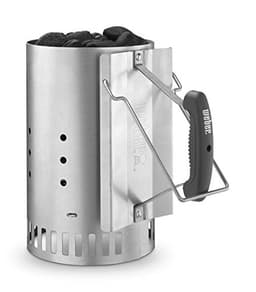
Weber Rapidfire Chimney Starter (Standard)
Lights a measured load of charcoal in one go, with a heat-shielded second handle for the pour. Starting from a known fire is what makes a vent setting repeatable.
$24.99 · View on AmazonPrice as of October 24, 2026. #ad How we’re funded
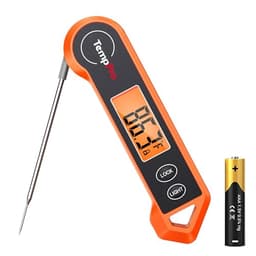
TempPro TempSwift PLUS TP19H Instant-Read Thermometer
The lid gauge reads the air under the dome, not the food. A three-second instant-read tells you what the vents actually did.
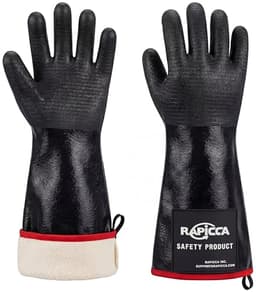
RAPICCA 14-Inch 932°F Heat-Resistant BBQ Gloves
Fourteen inches of 932°F-rated reach for adjusting a hot lid vent, lifting a grate or moving coals mid-cook.
If you are setting up for a long cook rather than a weeknight dinner, how to smoke on a charcoal grill covers the water pan and the coal arrangement that go with a quarter-open top vent. And if the fire itself is the problem rather than the airflow, how to light a charcoal grill is the place to start.
Frequently asked questions
Should charcoal grill vents be open or closed?
Open the bottom vent and leave it open while cooking - Weber's own guidance is that closing it starves the fire. Use the top vent as the control: fully open for high heat, about half to slow fuel use, and roughly a quarter open for low-and-slow. Close both only when you want the fire out.
Which vent controls the temperature on a charcoal grill?
The top vent, in practice. Both vents affect airflow, but the bottom one needs to stay open so the fire survives, which leaves the lid vent as the dial. Weber publishes fully open for high heat and roughly a quarter open for low heat as its starting settings.
Do you close the vents when the charcoal grill is done?
Yes. Closing both vents starves the fire of oxygen and puts it out, which is also how you save the unburned charcoal for next time. Weber's own cold-weather guidance says to close all vents on a charcoal grill when you have finished cooking. Let the grill cool fully before covering it.
Why won't my charcoal grill get hot enough?
Most often ash blocking the bottom vent, or simply not enough charcoal. Empty the ash before every cook, light a full chimney for high heat, and check that the lid sits flush - air leaking round the rim means neither vent is controlling much.
Should the lid be on or off when grilling with charcoal?
On, for most cooking. The lid holds heat, cooks food through evenly and limits oxygen, which Weber notes makes flare-ups unlikely. Lid off is for a short, hot sear where you want direct radiant heat and no trapped smoke.
How long do charcoal vent changes take to work?
Five to ten minutes, typically. A charcoal fire has thermal mass, so it responds slowly in both directions. Make one adjustment, put the lid back on, and wait before touching it again - chasing a temperature with both vents is how a cook gets away from you.
Sources
- Weber - How to Control the Temperature of Your Charcoal Grill — Weber's vent guidance: the top vent fully open for high heat and roughly a quarter open for low heat, with the bottom (bowl) vents left open so the fire does not die. weber.com redirects to amer.weber.com, which 404s to an automated fetch, so this page was read via live web search of that exact URL on 2026-10-17 (accessed October 17, 2026)
- Weber - 10 Tips for the Weber Way of Grilling — Keep the bottom vent open while grilling so the fire does not die; to slow fuel consumption close the top vent as much as halfway and keep the lid on as much as possible. Read via live web search of that exact URL on 2026-10-17 (accessed October 17, 2026)
- Weber — How to Smoke on a Charcoal Grill — Coals to one side, a water pan three-quarters full, and the top vent closed down to slow the burn; wood chunks need no soaking (accessed September 18, 2026)
- Weber — 5 Tips for Grilling in the Cold — Allow extra time for the grill to reach temperature (preheat to 500°F); each time the lid is opened it adds 5 to 7 minutes; keep the grill and the pathway to it free of snow; close all vents on charcoal models when finished (accessed October 11, 2026)
Keep reading
How to Light a Charcoal Grill
A chimney, a cube and twenty minutes. No lighter fluid, no chemical taste.
Read the guideHow Much Charcoal to Use
Kingsford's own quantities, by grill size and by what you are cooking.
Read the guideHow to Smoke on a Charcoal Grill
Two-zone with a water pan, or the snake method - and the vents that hold 250 degrees.
Read the guideBest Charcoal for Grilling
Six bags compared on what the makers actually publish.
See the charcoal