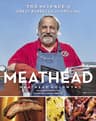
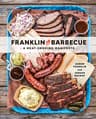
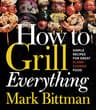
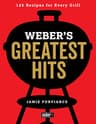
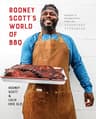
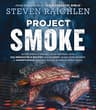
Match the book to the cook
The single most useful thing you can do before buying a barbecue book is work out which of four people you’re buying for. The curious beginner wants to understand why their chicken keeps drying out; give them a book built on principles rather than recipes. The weekend cook wants something to make on Saturday; give them a recipe collection with photographs and short intros.
The obsessive is already twelve hours into a brisket and wants to know what the stall is; they want technique and science. And the armchair enthusiast loves the culture — the pitmasters, the regional arguments, the history — more than they love a Tuesday recipe. A memoir-led book lands for them and bores the weekend cook rigid.
Technique books versus recipe books
Technique books teach transferable skills: fire management, salt, timing, how heat moves through meat. They pay off over years, but they ask for effort up front, and a reader who just wanted dinner ideas can find them heavy going.
Recipe collections do the opposite. They’re easy to use immediately and produce a win on the first weekend, but they teach less. The honest test is whether the person enjoys cooking as a hobby or as a means to a meal. Hobbyists want technique; everyone else wants Saturday sorted.
A note on smoking books
Books focused on smoking assume equipment. Before buying one, check the person actually has a smoker — or at least a pellet tube or smoker boxthat lets them smoke on the grill they own. A brisket manual given to someone with a small gas grill is a reminder of what they can’t do, and that’s a poor gift.
If you’re unsure which side of that line they fall on, our grilling vs smoking guideis the quickest way to work out what they’re actually doing in the backyard.